


TUI Field to Fork Greece 3.0
 Tatjana Peters
“TUI Field to Fork Greece 3.0” builds on the previous collaboration between Futouris and the TUI Care Foundation in Crete and Rhodes. The focus is now on Rhodes, where the measures already begun (coaching farmers on regenerative farming methods and linking them with the hotel sector) are to be continued and expanded. The aim is to further promote the application of regenerative farming principles and to support more hotels and food processing businesses in purchasing and offering these products.
Project objectives
Supporting farmers in applying regenerative farming methods that aim at better soil health, greater biodiversity and a more stable water balance, as well as guiding them towards certification under the Greek ORA standard (Organic Regenerative Agriculture).
Connecting farmers, food processing businesses and hotels to increase demand for regionally and regeneratively produced products and to open up additional sales opportunities and sources of income for farmers.
Creating tourism experiences in which guests get to know regional products, the people who produce them and their stories.
Establishing the model for the long term and preparing its transfer to further destinations in Greece.
Agriculture and tourism in Rhodes and Crete: untapped potential
Crete and Rhodes are among the most popular holiday islands in Greece and together welcome almost eight million visitors a year. Nevertheless, many hotels and restaurants, especially larger ones, rely on centralised supply chains and imported food, even though local products are available and are often wanted by guests.
The situation for farming on the islands is challenging. Farms are small: in Greece, over 70 percent of farmers cultivate less than five hectares. Conventional farming, water scarcity and the effects of climate change put soils and ecosystems under pressure. The Mediterranean is considered a climate hotspot, and according to the IPCC, yields in the region could fall by up to 25 percent by 2050 if no adaptation measures are taken. In addition, there is limited knowledge of regenerative methods and little direct contact between producers and tourism businesses.
This is where the current project “TUI Field to Fork Greece” continues what was already begun in the previous project period: it strengthens production and demand at the same time and brings farmers, food processing businesses and hotels together in one network.
Supporting farmers
In Rhodes, up to 70 farmers will be supported in three groups, depending on their motivation and capacities:
Core group (15 farms): These farms receive intensive support through training and individual advice in the field, as well as short-notice help with problems. They commit to regular monitoring and work towards ORA certification.
Adopters (5 farms): They apply regenerative methods at their own pace, without a certification goal, but with close professional support from the project partner.
Informed farmers (up to 50 farms): They take part in group trainings and information events and can later move into one of the other groups.
Field trainings take place directly on the farms, complemented by ongoing support from the team of agronomists by phone and in joint chat group, which also encourages exchange among the farmers. The aim is for 1.3 million square metres of land to be managed according to regenerative principles. In addition, at least one local expert will be trained in Rhodes, with the aim that advice remains available locally after the project ends.
In Crete, the 49 farmers who already apply regenerative methods will continue to be supported and, if interested, assisted on the path to ORA certification.
From field to fork
Ten food processing businesses in Rhodes, for example for wine or olive oil, will be supported in workshops on how to handle certified raw materials correctly and avoid contamination. This builds structures for long-term regional value chains.
Seven hotels will be supported in integrating regeneratively produced products into their purchasing and menus. The aim is to sell products worth more than €300,000 to hotels in Rhodes by the end of the project. This is intended to secure additional income for farmers and food processing businesses and to promote more reliable regional supply chains. Once a year, all participants in the network come together for a joint meeting to foster trust and cooperation among them.
Authentic tasting experiences for guests
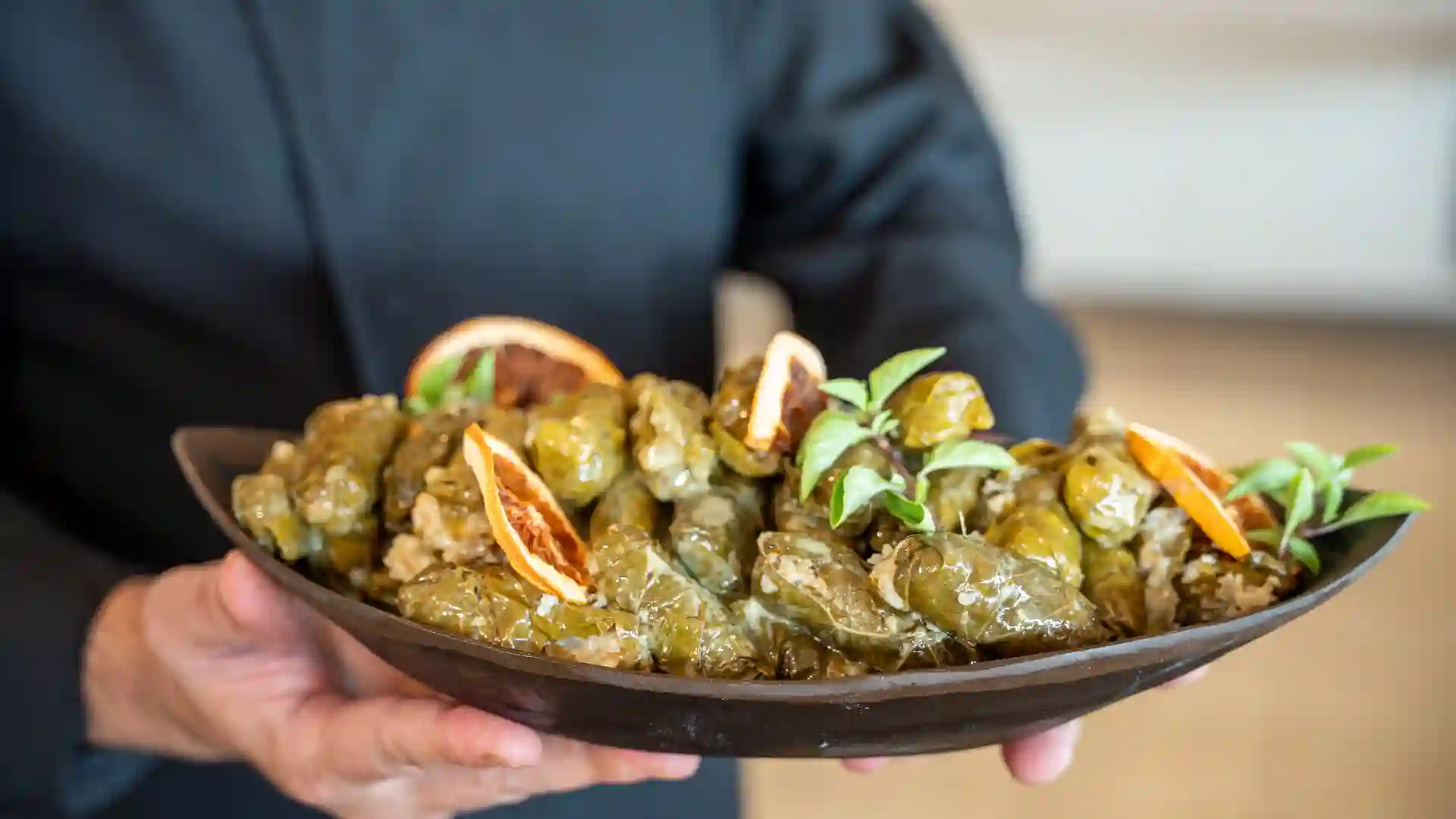
In Rhodes, hotels organise weekly tasting events together with farmers and food processing businesses, with support from the project team. Participating guests and local residents are meant not only to learn how local products are made and what stories lie behind them, but also to taste the products.
In Crete, the project team is developing at least one agritourism excursion together with TUI Musement, where holidaymakers can experience farming and regional products. A fair fee structure is intended to ensure that the participating businesses can earn an appropriate income after the project ends.
Long-term anchoring and transferability
The project not only builds awareness of regenerative agriculture and strong regional value chains, but also creates long-term partnerships between participants. In the long term, the model is to be transferred to other regions of Greece.
Project activities
The following activities are planned:
Training and ongoing support for farmers in Rhodes in three groups, including support on the path to ORA certification.
Continued support for farmers in Crete.
Training of a local expert for long-term advisory services in Rhodes.
Information events and workshops for food processing businesses and recruitment of four additional businesses.
Recruitment and intensive support of four additional hotels as well as the three existing partner hotels in purchasing local products and organising tasting events.
Tasting events in the participating hotels in Rhodes.
Development of an agritourism excursion in Crete with TUI Musement.
Events, political talks and communication measures to raise awareness among local residents, regional stakeholders and guests.
