


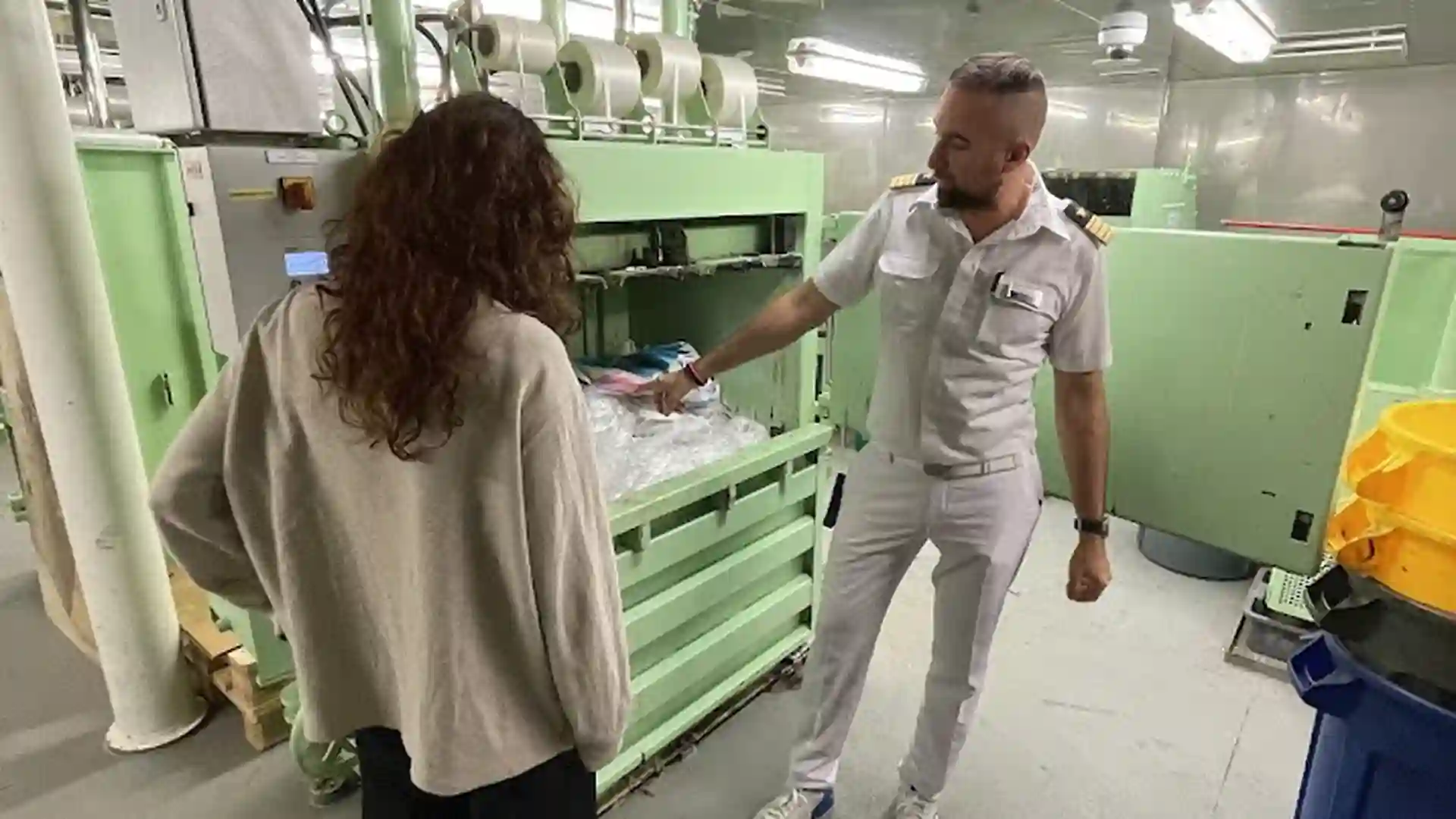
Circular Cruising: Circular packaging concepts for cruises
 Swantje Lehners
The project’s goal is to reduce packaging waste in the cruise industry by applying the principles of the circular economy. In collaboration with TUI Cruises and EPEA, current material flows are being surveyed and analyzed, alternative packaging concepts are being developed and tested, and industry-specific recommendations for long-term waste prevention are being provided.
Project Objectives
Analyse current packaging material flows and identify opportunities for optimisation.
Develop a concept to increase the use of circular packaging solutions and reduce waste.
Pilot the concept in collaboration with TUI Cruises and its suppliers.
Share findings across the industry through Futouris by publishing and disseminating recommendations for implementing circular economy approaches to reduce packaging waste in the cruise and hotel sectors.
Circular Cruising – Circular Packaging Solutions for the Cruise Industry
Managing material and packaging flows is a key challenge for many businesses in the tourism industry. Packaging waste, however, has received comparatively little attention to date. This innovative project addresses this gap, focusing on reducing packaging waste in tourism, particularly on board cruise ships.
At the heart of the project is the application of circular economy principles to significantly reduce packaging waste and the consumption of materials and resources. In collaboration with expert partner EPEA, the project identifies problematic packaging streams on board and develops practical circular packaging solutions. Clearly defined key performance indicators (KPIs) are used to measure progress.
From the outset, the requirements and perspectives of TUI Cruises, its partners and suppliers are integrated into the development process. The proposed concept is then tested on board a TUI Cruises ship to assess which approaches work in practice and where adjustments are needed.
The insights gained are subsequently compiled into general recommendations for businesses in the cruise and hotel sectors and made available to the wider industry.
Project Activities
1. Assessing the Current Situation and Identifying Opportunities for Improvement
Mapping existing procurement and waste management processes and the materials used, including an initial assessment of material quantities and environmental impacts.
Analysing purchasing lists, waste data, studies and surveys.
Conducting and evaluating interviews with employees.
Holding a workshop to present and assess the findings.
Selecting priority packaging streams with significant potential for improvement.
2. Developing a Concept to Increase the Use of Circular Packaging
Developing concrete alternatives in terms of materials and processes for procurement and waste management, in dialogue with suppliers.
Assessing the sustainability of the alternatives compared with the current situation.
Finalising the concept, taking practical requirements and feasibility on board into account.
3. Testing the Final Concept with TUI Cruises and Suppliers
Conducting a pilot test of the developed prototypes on board a cruise ship.
Gathering feedback from employees and suppliers on practical feasibility and identifying opportunities for improvement.
Measuring success using the defined KPIs.
Evaluating long-term feasibility and the potential for implementation across other ships and fleets.
4. Sharing Results Across the Industry
Developing general recommendations for the tourism industry.
Communicating the project results and making the recommendations available to businesses across the cruise and hotel sectors